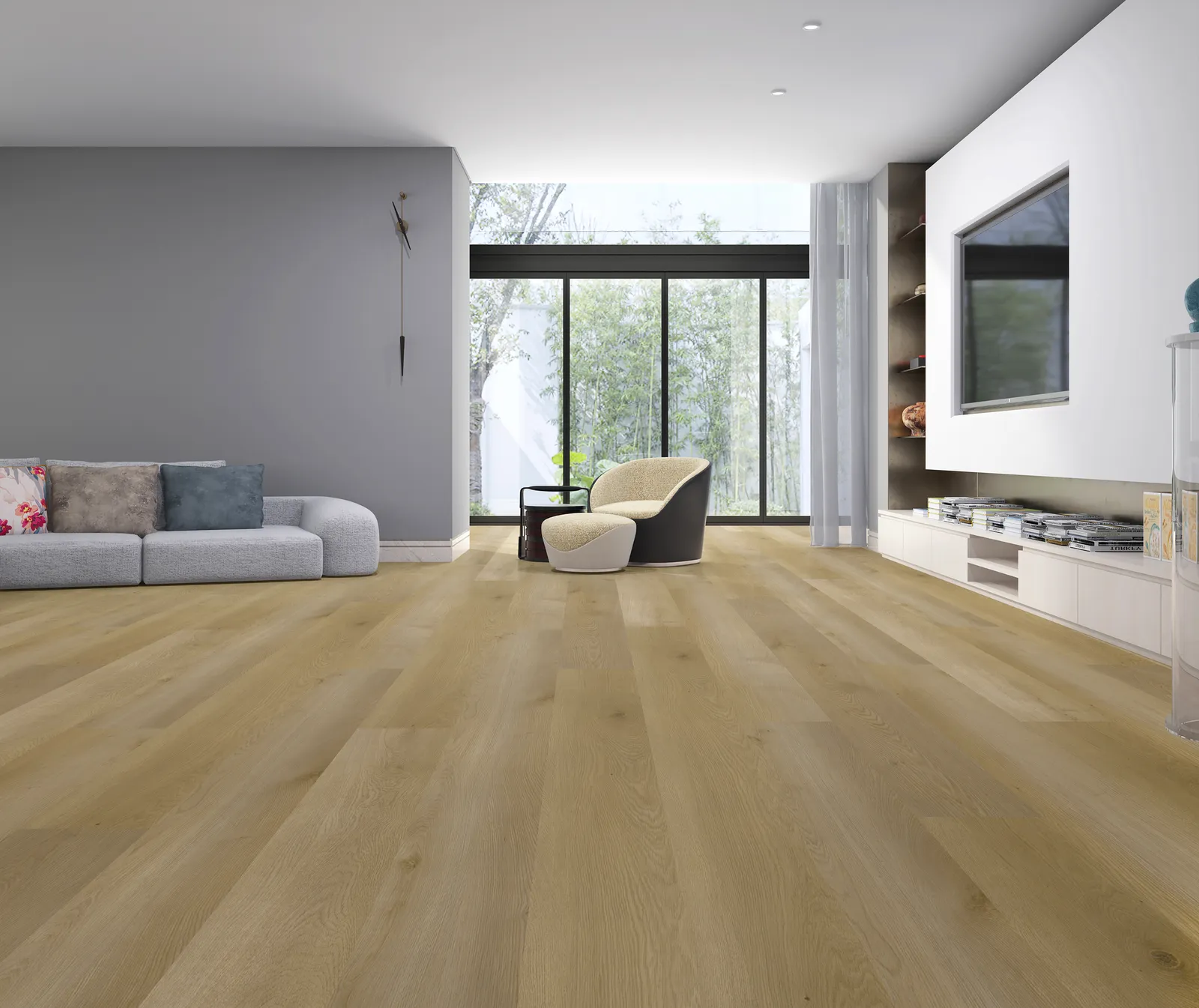
Flooring · Vinyl Planks
Vinyl planks, done with care. Where practicality meets everyday life.
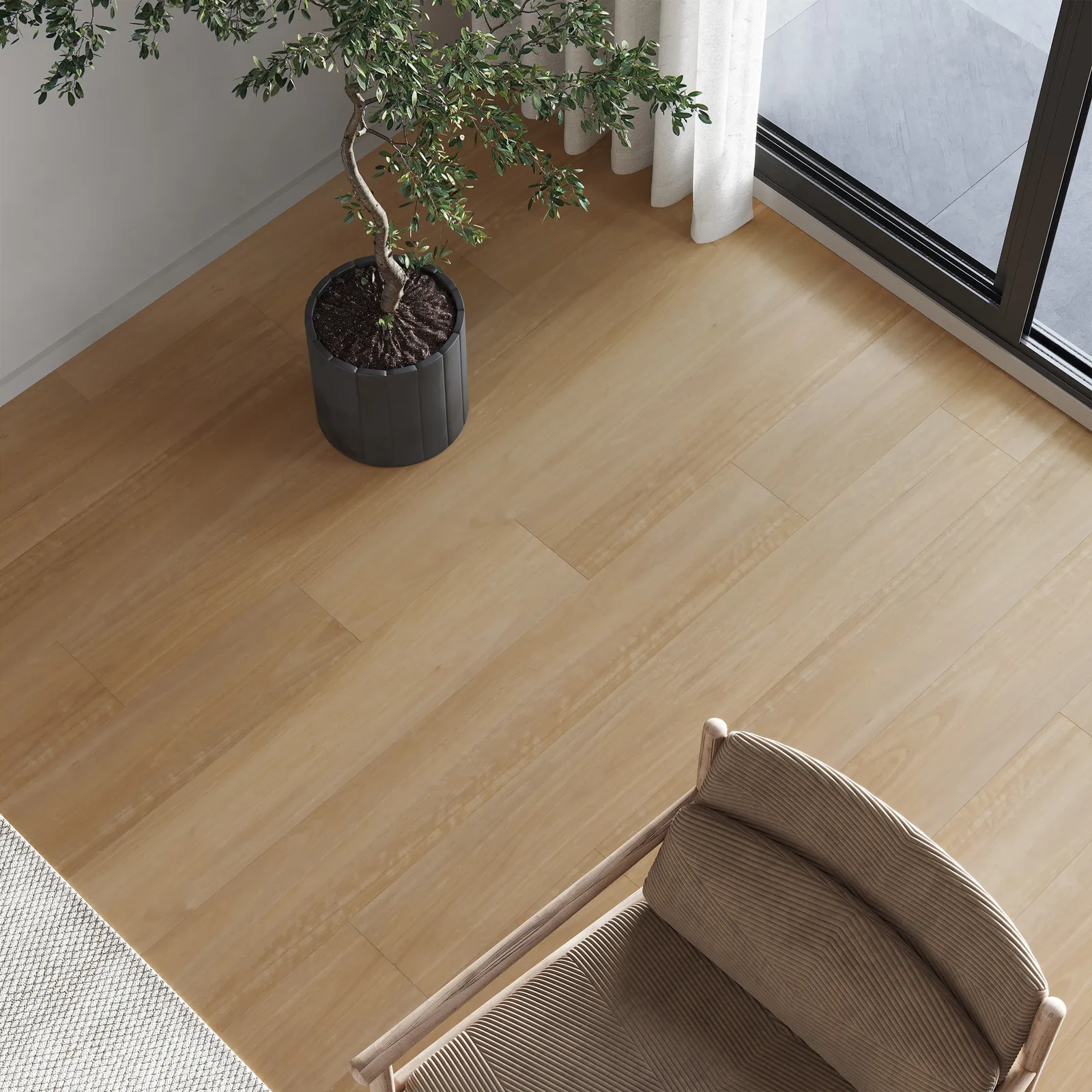
To inspire beyond expectations.
What are vinyl planks?
Vinyl planks are the floor for real life. A flexible plank with a hard-wearing wear layer, glued direct to your subfloor. Fully waterproof, properly tough, kind on the feet, quiet underfoot, and warm in winter. It handles bathrooms, laundries, kitchens, kids' rooms, holiday rentals, and whole-of-house refits with equal ease.
One thing that catches a lot of customers by surprise: vinyl planks are the only floor that doesn't need a scotia trim around the room — which means we don't have to lift or repaint your skirtings to install it. The plank lays flush against the existing skirting and finishes neatly. For renovators who don't want to repaint everything, that alone can be the deciding factor.
Best Sellers
Our best-selling vinyl planks
Our most popular planks in this range. Tap one to see colours and details.
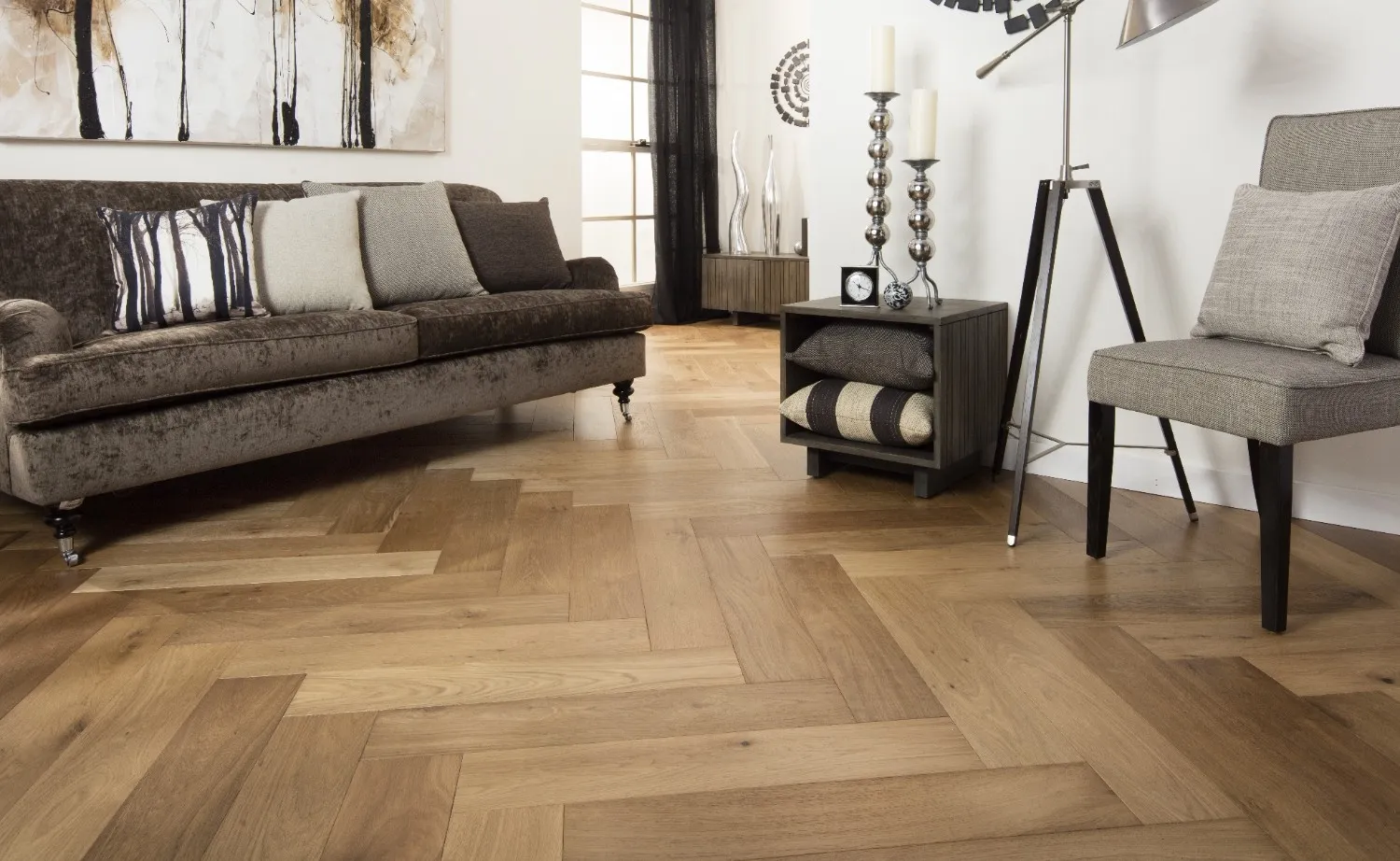 Pictured: herringbone in engineered timber — vinyl planks lay the same pattern
 Herringbone is having a moment.
The pattern you've been seeing in every renovation show — laid by hand, plank by plank. Herringbone is an install pattern, not a separate product, so almost any plank in the showroom can be laid this way.
Ask about laying your vinyl in herringbone at the measure.
Book a free measure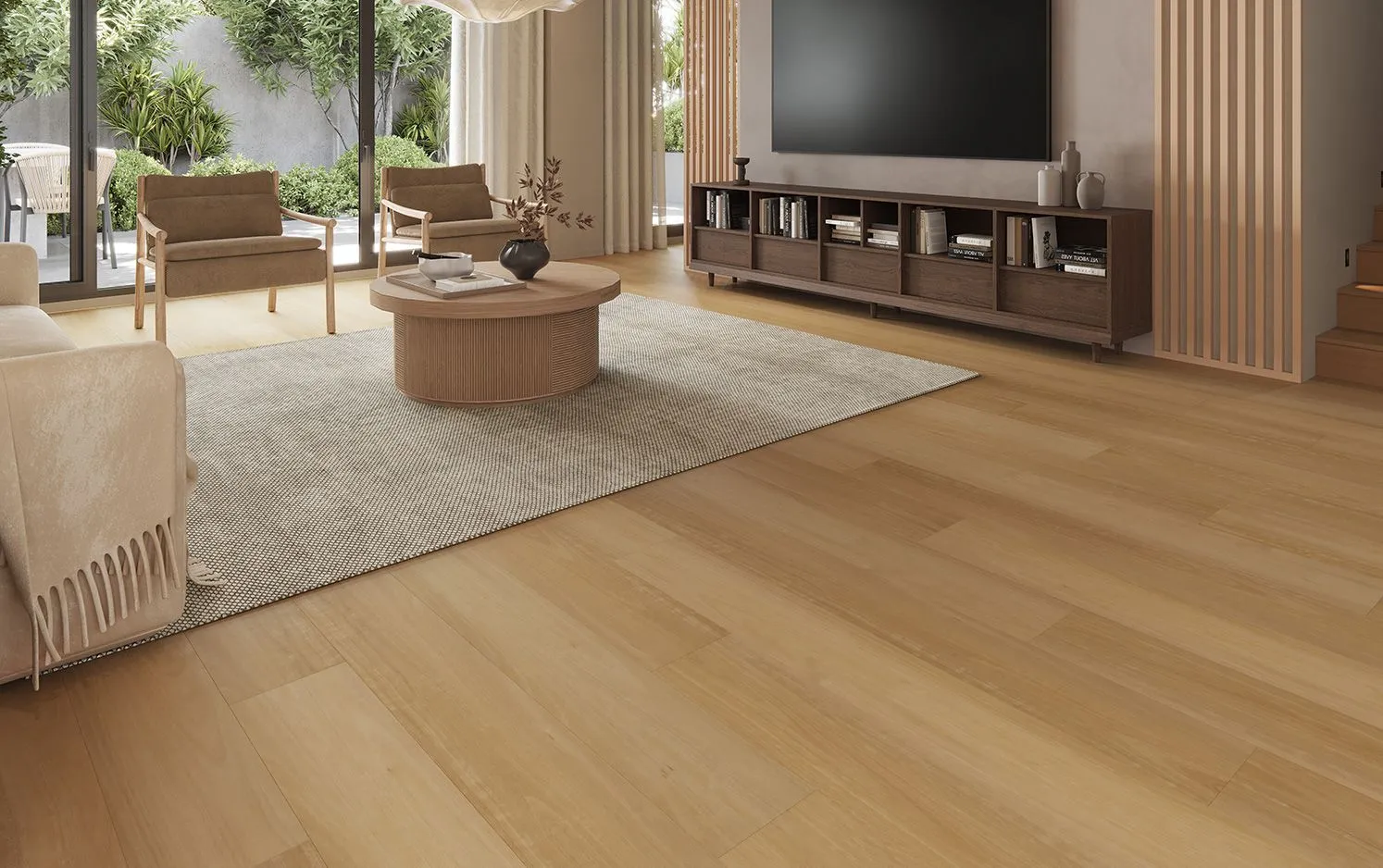
Come into the showroom for the full range
We stock far more than we can show online — come see and feel the full range on Shearwater Drive.
Get directionsFrequently asked questions
Two main differences worth knowing about.
Vinyl planks are flexible (you can roll them up) and glued to the subfloor. Hybrid planks are rigid (they snap if you bend them) and click together as a floating floor.
That means vinyl is genuinely a wet-area floor in a way hybrid isn't quite — it handles bathrooms, laundries, and pool surrounds because the surface is fully sealed against the subfloor with no click-lock joints for water to find. Hybrid is great in kitchens and living areas but most manufacturers won't warrant it in bathrooms.
The other practical difference: vinyl lays directly against your existing skirtings (no scotia trim needed), so we usually don't have to remove and reinstall them. Hybrid is a floating floor and usually does need scotia or skirting removal.
Both are excellent products. Vinyl wins where water is part of daily life. Hybrid wins where you want the slight bit of underfoot give that a floating floor gives you.
Vinyl is genuinely one of the better-value floors in the showroom — strong wear layer, fully waterproof, install-friendly. We'll work out the install cost on-site after a proper measure (every house is different), but the product itself sits at a sharper price than engineered timber and comparable to hybrid.
Premium vinyl ranges with thicker wear layers, longer plank lengths, and stronger backings cost more but stand up to commercial-grade traffic. We'll point you at the right range for your house.
Almost certainly no — that's one of the genuine practical wins of vinyl planks. Because the plank glues flat to the subfloor with no clicking edges or expansion gaps, it finishes neatly against your existing skirtings without needing scotia trim. We don't have to lift them, you don't have to repaint them, and the room looks finished from day one.
Hybrid, laminate, engineered timber — all of those are floating floors that need an expansion gap around the perimeter, which is then covered by scotia or by removing and reinstalling the skirtings. With vinyl, that whole conversation goes away.
For renovators who don't want to repaint skirtings — and that's most renovators — vinyl can be the deciding factor.
Almost always more than the floating-floor categories, yes — and we'll be straight with you about it.
Vinyl planks are flexible and glue-down, which means they telegraph every bump, divot, and seam in the subfloor straight up through the plank. Subfloor prep is what separates a vinyl install that looks great for 20 years from one that shows every flaw within months.
For concrete slabs: levelling compound to fill low spots, grinding for high spots, moisture testing, and a primer coat. For timber subfloors: usually a sheet of plywood underlay to give a smooth even surface. For old sheet vinyl or vinyl tiles: usually they need to come up, and the prep starts fresh.
Most stores skip this conversation upfront. We don't. The prep cost is real and we'd rather you know about it at the quote stage than discover it on install day. If your existing flooring is still down, we can offer to lift it first so we can see the subfloor and quote properly.
Vinyl planks are slower to install than hybrid because of the glue working time and the level of subfloor prep involved. A single room with a clean subfloor is usually a day. Larger jobs or anything needing significant prep can run several days. Herringbone install patterns add time as well.
We'll give you a realistic timeframe with your written quote, including any prep work — not a sales-pitch number.
Yes — moving your furniture is included in every quote. Our installers shift the lounges, beds, wardrobes and pretty much anything else that needs to come up, and put it back when they're done.
There are a few items we don't move (some need a specialist, some need to stay where they are) — we'll explain anything specific when we come out for your free measure. The only things we ask you to handle yourself are fragile bits and pieces — vases, photo frames, electronics — which are safer in your hands than ours.
Every vinyl we sell comes with a manufacturer's product warranty — typically 15 to 25 years for residential use, with commercial-grade ranges going longer. Water damage IS covered on vinyl (unlike laminate), because vinyl is fully waterproof by design. The warranty document comes with your floor and we'll walk you through specifics when you're choosing.
Here's the bit that matters more, though: we warrant the installation for the life of the product. That's the whole reason to buy from us instead of finding an installer direct. Cheaper layers come and go — they're in town one year and gone the next. We've been on Shearwater Drive since 2001. When you pay us for the whole job — the floor, the prep, the adhesive, the install, the lot — the whole job is on us. One purchase, one number, one team responsible.
Yes — vinyl is the wet-area champion of the flooring world. Bathrooms, laundries, kitchens, pool surrounds, basements, even some commercial wet-area applications. The plank is fully sealed to the subfloor with no clicking edges for water to find, the wear surface is non-porous, and the manufacturers warrant water exposure that hybrid and laminate manufacturers won't.
This is why a lot of our customers run vinyl planks through the whole wet-area side of the house (bathrooms, laundry, kitchen, butler's pantry) and choose hybrid or engineered timber for the dry living areas. We've got matching colour-and-grain ranges where vinyl and hybrid are designed to coordinate, so the transition between rooms is seamless. Ask us about it when you come in.
Yes — vinyl plank herringbone is one of our most popular install styles. There's no specific "herringbone product" — any of our vinyl plank ranges can be laid in herringbone pattern, because each plank is installed individually with adhesive. That gives you total colour freedom: choose the colour and style you love, then choose to install it in herringbone.
Chevron is different — chevron requires the planks to be machined at angled ends, and vinyl manufacturers don't typically produce chevron-cut planks. If chevron is the look you want, engineered timber is the answer.
The wear layer thickness is the variable that matters most here. Residential-grade vinyl (12-20 mil wear layer) handles normal household life well — pets, kids, dragged chairs. Commercial-grade vinyl (28-40 mil wear layer) is what goes into rental units, cafes, retail. We'll match the wear layer to your household when you're choosing.
A few honest things: vinyl is more forgiving than hybrid or laminate on dents and impact (it's flexible, so a dropped pan is less likely to gouge), and it's softer underfoot. The trade-off is heavy point-loads (stiletto heels, narrow metal furniture legs) can leave subtle indentations because the material has some give. Felt pads on chair legs, mats at the doors to catch grit, and a sensible vacuum routine will keep it looking new for decades.
Ready to get started?
Book a free in-home measure, or pop into the showroom for samples.
Book a free measure